
THE NATURAL RESONANT JOURNAL
Everyday Rituals for Body & Mind
Gentle practices, sound and nourishment for body and mind.
Book a Session →Explore the Journal
Practical ideas. Deeper living. A more resonant you.
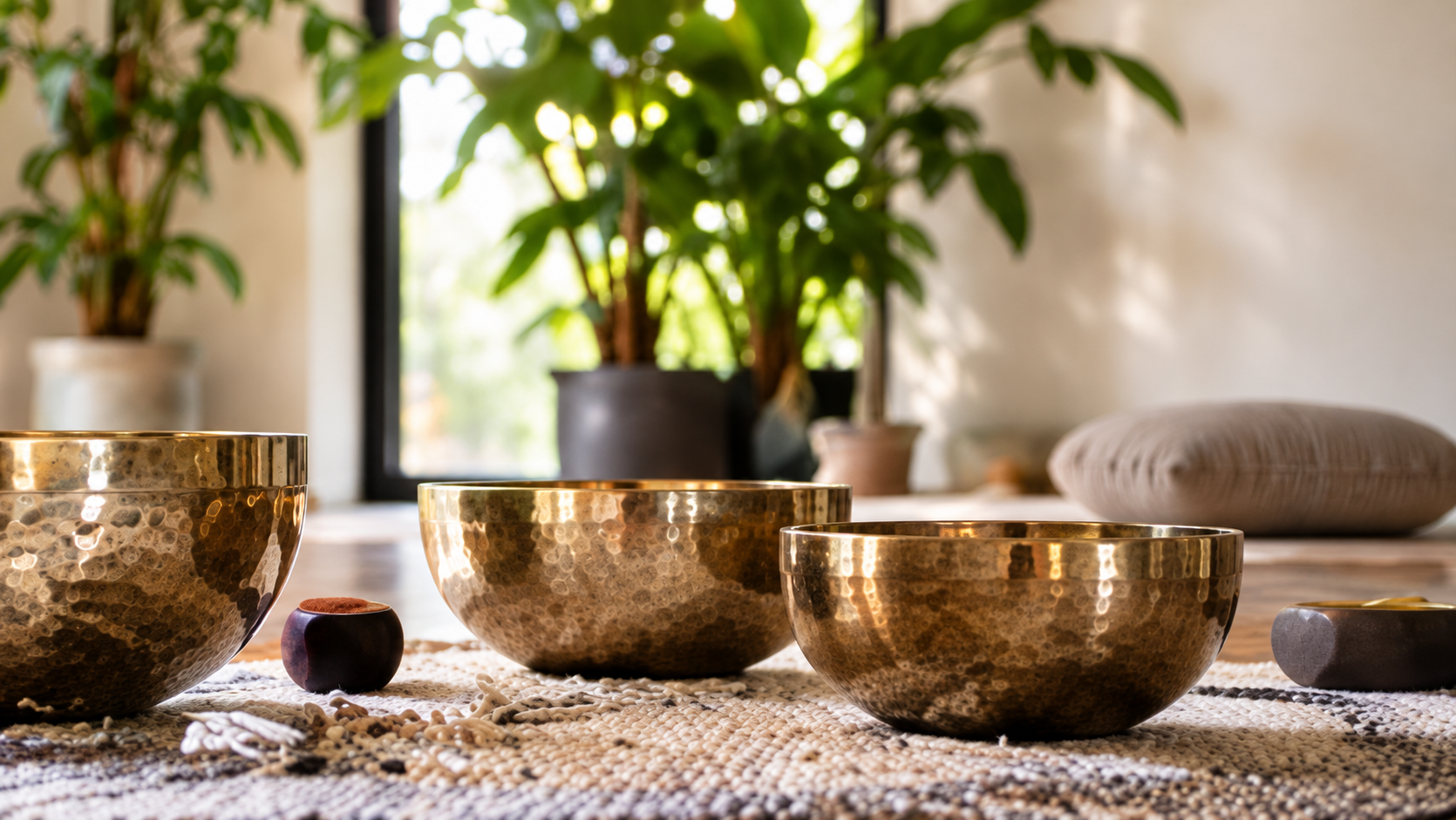
Sound
What to Expect at Your First Sound Bath
A gentle guide to help you feel comfortable, open and ready for the experience.
Read article →
Sound
How to Prepare for a Sound Bath
Simple tips to help you get the most from your session, body and mind.
Read article →
Mindful Practice
A Simple Breathwork Practice for a Busy Day
A few mindful breaths can help you pause, refocus and move through your day with more ease.
Read article →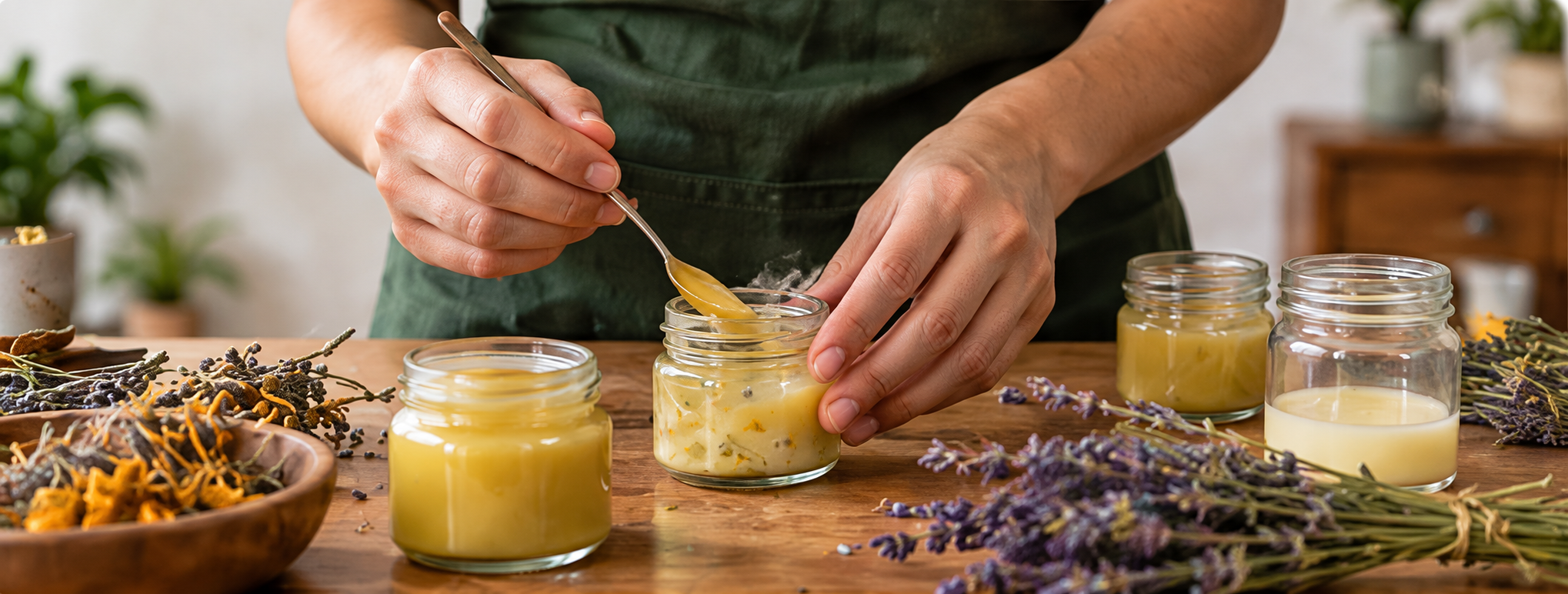
Workshops
Make Your Own Natural Balm
A hands-on guide to creating a soothing, all-natural balm at home.
Read article →
Nourishment
Easy Ways to Add More Nourishment to Your Day
Small, sustainable changes that make a big difference to your daily routine.
Read article →
Mindful Practice
Creating a Calmer Evening Ritual
A few simple steps to help you unwind and end the day with intention.
Read article →From the Journal
Sound · 5 minute read
What to Expect at Your First Sound Bath
Your first sound bath can be simple: arrive, get comfortable, and give yourself permission to rest.
If you have never been to a sound bath, it is natural to wonder what happens. At a session, you usually rest on a mat or sit comfortably while the facilitator plays instruments such as singing bowls, chimes or gentle percussion. The sounds create a space for quiet listening and relaxation.
Before the session
Choose comfortable clothing and arrive a little early so you do not have to rush. Let the facilitator know if you have any concerns about sound, positioning or your comfort. You are welcome to ask questions before the session begins.
During the sound bath
You can lie down or remain seated. There is no special way you need to feel, and you do not need to clear your mind. Some people notice their thoughts settling; others simply enjoy the sounds or drift in and out of attention. If you need to move, adjust your position, or step out, you can do so.
Afterwards
Give yourself a few quiet moments to return to your day. You might like a glass of water or a short note about how you felt. Every experience is personal, and it is perfectly fine if yours is different from someone else’s.
A sound bath is an invitation to pause and rest. Come as you are, and take from the experience what feels right for you.
Back to Journal ↑Sound · 4 minute read
How to Prepare for a Sound Bath
A little preparation can make it easier to settle in and enjoy a restorative pause.
You do not need special equipment or experience to attend a sound bath. The most helpful preparation is simply making room to be comfortable. If you are joining a group session, check the venue details and any instructions from your facilitator before you leave.
Keep it comfortable
Wear soft layers that let you sit or lie down without restriction. A light sweater or socks can be useful if you tend to feel cold. Mats and basic props may be provided, but check in advance if you prefer to bring your own mat, cushion or blanket.
Arrive without rushing
Try to arrive a few minutes early. This gives you time to find your place, use the restroom and let the facilitator know about any accessibility needs or sounds you would prefer to avoid. You can also choose a spot near an exit if that helps you feel at ease.
Set a gentle intention
You might arrive with a simple thought such as “I’m here to rest” or “I’m curious about how this feels.” There is no need to make the session a test or to expect a particular result. If your mind wanders, that is part of being human.
Afterwards, leave a little breathing room in your schedule if you can. A calm transition back into the day can help you notice what you want to carry with you.
Back to Journal ↑Mindful Practice · 3 minute read
A Simple Breathwork Practice for a Busy Day
A brief pause can help you notice the present moment before moving on to the next thing.
When a day feels full, taking a moment to breathe is a small way to interrupt the rush. This gentle practice does not require deep or forceful breathing. Let your breath stay natural, and stop if anything feels uncomfortable.
Try a one-minute pause
- Find a position that feels steady, with your feet supported if you are seated.
- Notice where your body meets the chair or floor.
- Let your breathing happen on its own. Feel one inhale, then one exhale.
- If it feels comfortable, allow the exhale to be a little softer or longer without forcing it.
- When your attention wanders, gently notice that and return to one breath.
You can do this with your eyes open or closed. You might place a hand on your abdomen, or simply feel the air moving around your nose. The point is not to achieve a certain state; it is to give yourself a few moments of attention.
Make it fit your day
Try the pause before opening your inbox, after a meeting, or while waiting for the kettle. Even a few comfortable breaths can become a small reminder to slow down. If focusing on breathing does not feel right for you, choose another anchor, such as the feeling of your feet on the ground or the sounds around you.
Back to Journal ↑Workshops · 5 minute read
Make Your Own Natural Balm
A simple balm-making project is a lovely way to learn about a few everyday ingredients and create something by hand.
Making a balm can be a satisfying, hands-on activity. A basic balm typically combines a plant oil with a wax to create a thicker texture. Some recipes also include butter or a small amount of fragrance. The exact ingredients depend on the recipe, so follow a trusted formulation and measure carefully.
A simple process
Start with clean, dry tools and a heat-safe container. Gently warm the measured ingredients using a double boiler until melted, stirring as needed. Pour the mixture into a clean, dry tin or jar and let it cool fully before putting on the lid. Label the container with its ingredients and the date you made it.
Keep it thoughtful
Use ingredients that are suitable for your intended use and follow supplier guidance. Essential oils can irritate skin and are not appropriate for everyone, so they are optional; never assume that “natural” means allergy-free. Avoid applying a new product to broken or irritated skin, and stop using it if irritation occurs. If you have sensitive skin, allergies, or a health concern, seek qualified advice before trying a new product.
One of the joys of a workshop is learning the process, asking questions and making a small batch with care. Keep your finished balm stored cleanly, and enjoy the simple satisfaction of having made it yourself.
Back to Journal ↑Nourishment · 4 minute read
Easy Ways to Add More Nourishment to Your Day
Small, realistic choices can make everyday food and drink feel more satisfying and enjoyable.
Nourishment does not have to mean a complicated recipe or a perfect routine. It can begin with noticing what helps you feel cared for and making that choice a little easier. Your needs and preferences are personal, and they can change from day to day.
Build on what you already do
If you make a morning drink, pair it with a piece of fruit or another food you enjoy. Add fresh herbs, citrus or a few slices of fruit to water when you want a different flavor. Keep a simple snack visible and convenient for the moments when you need one.
Make it enjoyable
Try a new combination in a small amount before changing your whole routine. A nourishing drink might include fruit, vegetables, herbs, milk or a suitable alternative, depending on your taste and needs. Take a moment to sit down and enjoy it when possible; the pause can be part of the experience.
Choose what works for you
There is no single drink or ingredient that suits everybody. Consider allergies, dietary needs and any advice you have received from a qualified health professional. Be cautious of claims that one food or beverage can prevent or treat illness.
Start with one small idea you genuinely like. When a choice feels easy and pleasurable, it is more likely to find a place in your everyday life.
Back to Journal ↑Mindful Practice · 4 minute read
Creating a Calmer Evening Ritual
A gentle end-of-day routine can create a little space between the busy hours and bedtime.
An evening ritual does not need to be elaborate. Think of it as a few familiar actions that help signal, “The day is winding down.” Choose what feels practical for your home and schedule; consistency matters more than making it perfect.
Choose a small cue
You might dim a light, put your phone on charge away from your bed, make a warm drink, or tidy one small surface. Pick one cue that is easy to repeat. If you enjoy journaling, write down one thing you appreciated today or one task you can leave for tomorrow.
Add a quiet moment
Spend a few minutes reading, stretching gently, listening to soft music, or noticing the sounds in your space. Let the activity be simple and comfortable. You do not need to meditate or reach a particular mood for the pause to count.
Make the ritual your own
Some evenings will not go to plan. That is okay. Keep the routine flexible enough to fit real life, and return to it when it suits you. If a step becomes another source of pressure, make it smaller or choose something else.
Over time, these small acts of care can become a reassuring way to close the day. Start with five minutes and notice what helps you feel settled.
Back to Journal ↑